Conservation in the Classroom

Raising environmentally savvy kids is one of the most powerful ways to help them enjoy a protected planet. To foster your children’s eco-education, encourage their schools to go green.

Raising environmentally savvy kids is one of the most powerful ways to help them enjoy a protected planet. To foster your children’s eco-education, encourage their schools to go green.
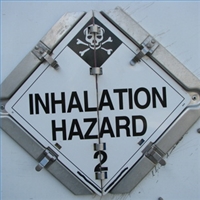
The Environmental Protection Agency is urging schools across the nation to replace their aging light fixtures due to possible chemical leaks.

As you've seen from my previous posts, I am passionate about taking "green" into the next millennium by finding effortless ways to incorporate radical new ideas for a better and healthier lifestyle into our daily routine
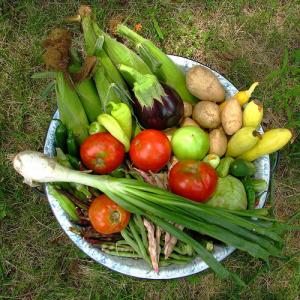
Carnivore, sure. Omnivore, OK. But locavore?

As a working mother, I usually spend my rare moments of downtime daydreaming about what I'm going to do when I find myself blissfully alone. These fantasies often involve hopping on an airplane bound for tropical locales or the more realistic but equally enticing dream of taking a hot bath in a quiet room. The water is steaming hot, it's pin-drop silent and a soothing fragrance wraps itself around me. For 20 or 30 minutes -- 45 if I'm lucky -- I'm in a fancy spa without a care in the world. The secret to this transporting experience: a few drops of lavender essential oil, tipped strategically into my bathwater.

The top five tips to naturally improve your indoor air quality, in no particular order:
Get rid of toxic "cleaners"! This especially includes what you're washing your clothes and bedding with since your skin is the largest organ you have and it does absorb what you surround it with.
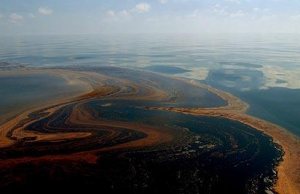
It is the official position of the Food and Drug Administration (FDA) and the National Oceanographic and Atmospheric Administration (NOAA) that the chemicals BP used in the Gulf of Mexico to disperse spilled oil pose no public health risks.
However, amid concerns that the dispersants might persist in seafood, the FDA and NOAA have decided to start doing some laboratory testing.
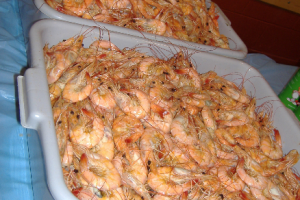
Some of the fishing areas in the Gulf of Mexico are reopening. In fact, this week Louisiana reopened commercial fishing in areas East of the Mississippi. In the coming weeks, we can expect that many more areas will reopen to recreational and commercial fishing.
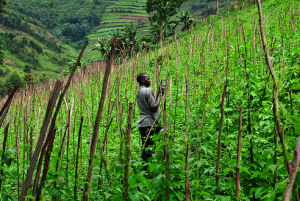
Whether a bowl of rice or a piece of bread, staple foods provide millions of poor people around the world with a source of basic sustenance day in and day out. Now, a new technology promises to make these foods-which provide calories but do not always contain enough of the micronutrients required for good health-more nutritious.
People who intake insufficient amounts of iron, zinc, and vitamin A can suffer from a hidden hunger," often with serious consequences.
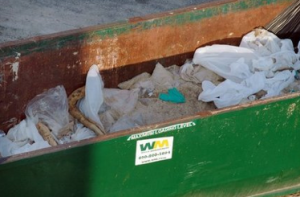
The companies that BP has hired to oversee the disposal of oil-soaked debris on the Gulf Coast say that everything is going smoothly. According to those companies, cleanup workers are gathering used booms, contaminated sand, tar balls, oily garbage, and all other spill-related toxic material, packing them away in sealed containers, and shipping them to landfills.
